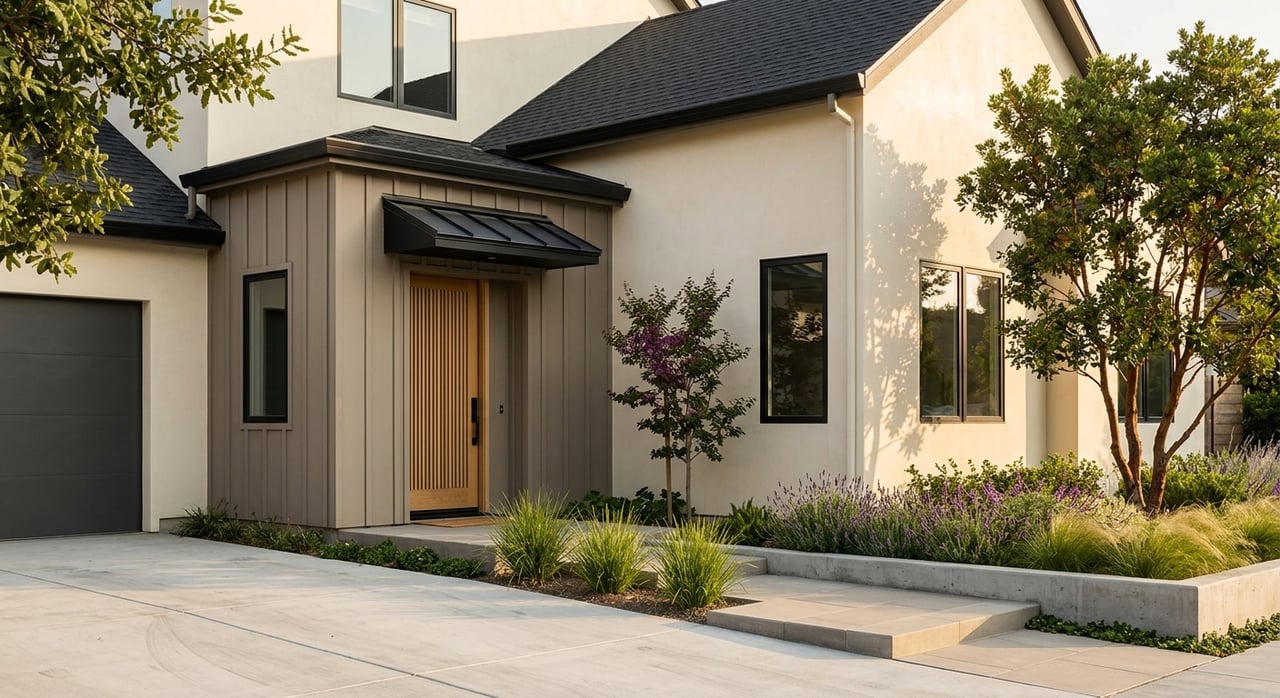
If you want a newer home in the Tri-Valley, Dublin deserves a close look. The city offers more than just a few scattered new listings. You can find whole planned communities with different home styles, community amenities, and a wide range of price points. If you are trying to decide between new construction and resale, or between one newer Dublin neighborhood and another, this guide will help you sort through the options. Let’s dive in.
Why Dublin stands out for newer homes
Dublin’s newer housing is being shaped by the city’s specific-plan approach. As of May 2026, the city reported 5,198 estimated residential units remaining across plan areas, including 2,956 in Eastern Dublin, 1,986 in Downtown Dublin, and 237 in Dublin Crossing. That pipeline helps explain why Dublin continues to be a major destination for buyers who want newer construction in the East Bay.
Instead of growth happening only through small infill projects, much of Dublin’s newer housing is clustered in coordinated districts. The city’s planning framework continues to emphasize places like Eastern Dublin, Downtown Dublin, and Dublin Crossing. For you as a buyer, that often means newer homes are tied to a bigger neighborhood vision rather than standing alone.
Amenities are a big part of that appeal. Dublin says the city has more than 24 neighborhood and community parks and open-space areas. In many of the newer communities, parks, trails, and gathering spaces are part of the lifestyle picture from the start.
What kinds of new homes you can find
One of Dublin’s biggest strengths is variety. Based on the current community mix, you can compare attached townhomes, detached single-family homes, live-work style homes, duets, motor-court homes, and larger hillside estate homes without leaving the city.
That matters because newer construction is not one-size-fits-all. Some buyers want a lower-maintenance townhome near retail and commuting routes. Others want a detached home with more space, a flexible room, or a layout that works for multigenerational living.
In Dublin, both paths exist. That gives you a better chance of matching your budget, timeline, and daily routine to the right type of property.
Francis Ranch at a glance
Francis Ranch is one of the clearest examples of Dublin’s master-planned new construction. It is being built by Trumark Homes and Taylor Morrison and includes six neighborhoods: Orchid, Azure, Primrose, Larkspur, Marigold, and Jasmine.
The home mix is broad. Current neighborhood information shows options ranging from detached single-family homes and motor-court homes to duets and three-story townhomes. Approximate sizes run from about 1,921 square feet to 4,845 square feet, with current pricing from the low $1 millions for Jasmine to the high $2 millions for Orchid.
Amenities are part of the story here too. The city says two new neighborhood parks are under construction in Francis Ranch, totaling 11 acres of parkland. The community also highlights trails and park features designed for play, fitness, and neighborhood gathering.
Dublin Centre for mixed-use living
Dublin Centre shows a different side of new construction in Dublin. The city’s 2024 housing progress report says the project includes 494 market-rate units, 6 affordable entry-level townhomes, 105 deed-restricted ADUs, up to 38,000 square feet of retail, and a site reserved for future affordable housing.
This community is especially useful if you want choices within one master plan. Current builder information shows five neighborhoods: Nexus, Vantage, Centra, Midsquare, and Townsway. The plan is described as walkable, with parks, playgrounds, retail, and a location about a 10-minute drive to BART.
The product range is wide. Townsway townhomes start in the high $600s and range from about 1,057 to 1,787 square feet. Midsquare townhomes start in the low $1 millions and range from about 2,036 to 2,330 square feet, while Centra shophouses also start in the low $1 millions and range from about 1,816 to 2,122 square feet.
If you want a detached option, Dublin Centre has that too. Nexus detached homes with separate ADUs start in the mid $1 millions, and Vantage detached homes start in the high $1 millions and range from about 2,844 to 2,862 square feet. The builder also shows a mix of move-in-ready and under-construction homes, which can matter if your timeline is flexible.
Smaller and luxury new-home options
Not every newer Dublin opportunity is a large master plan with many releases. Parkton is a more limited detached-home option. Trumark describes it as a collection of 15 single-family detached residences, with floor plans around 2,411 to 2,425 square feet and starting prices at $1,699,000.
For buyers looking at the upper end of the newer-home market, Schaefer Ranch Reserve sits in a different category. Discovery Homes describes it as an exclusive collection of 19 estate homes within the Schaefer Ranch master-planned community. Plans range from 3 to 6 bedrooms, 2.5 to 5.5 baths, and about 3,124 to 4,411 square feet, with an estimated opening in February 2027.
This community also stands out for its setting. Builder materials highlight its hilltop location, trail access, Schaefer Ranch Park, Dublin Hills Regional Open Space Preserve access, and proximity to BART and I-580. If outdoor access and larger floor plans are high on your list, this is one to watch.
How new construction differs from resale
Buying a new home in Dublin usually works differently from buying a resale home. The process can feel more structured, more builder-driven, and sometimes less predictable on timing.
For example, Trumark’s Francis Ranch sales procedures say buyers must register, pre-qualify with the affiliated lender, and participate in a sales release. The initial release uses a random drawing from pre-qualification letters, and non-contingent buyers receive priority. The same procedures state that prices, terms, and availability can change without notice.
That is very different from a typical resale purchase, where you are making an offer on a specific home with a more defined timeline. In new construction, some homes may be move-in ready, some may be under construction, and some communities may not open until a future date. In Dublin right now, that range includes immediate opportunities, homes scheduled later in 2026, and Schaefer Ranch Reserve, which is estimated to open in 2027.
What to watch in builder pricing and incentives
Builder incentives can be helpful, but they should never be the only reason you choose a home. In Dublin, current examples include Trumark’s $10,000 closing-cost credit for buyers who close with its affiliated lender at Francis Ranch, Parkton’s advertised savings of up to $10,000, and Risewell’s Flex Cash bonus of up to $80,000 at Dublin Centre.
These offers are usually time-sensitive and tied to certain releases or financing terms. Builder materials also make clear that pricing, dates, terms, and availability can change. If you are comparing communities, it helps to look at the full picture rather than focusing only on the headline incentive.
A good comparison usually includes:
- Base price
- Included features
- Upgrade costs
- Estimated closing timeline
- HOA dues
- Any special assessments
- Financing requirements tied to incentives
Monthly costs matter more than many buyers expect
In newer master-planned communities, your monthly ownership costs may include more than just principal, interest, taxes, and insurance. HOA dues and assessments can make a noticeable difference in affordability.
The California Department of Real Estate says buyers should review HOA costs and assessments before purchase. Trumark’s Francis Ranch FAQ gives a useful local example, estimating HOA dues at $345 per month initially and about $111 per month at build-out. That range shows why it is smart to ask about current dues, future projections, and what those fees cover early in the process.
Due diligence still matters with a brand-new home
A home being brand new does not mean you should skip careful review. The California Department of Real Estate says buyers should consider hiring a qualified inspector, review special taxes, assessments, and HOA dues, and think about contingencies such as inspections and repair requests during the offer process.
For new subdivisions, the DRE also says a public report must be obtained before marketing and must be provided to a prospective buyer before the buyer becomes obligated. That report includes information about CC&Rs, HOA costs and assessments, and other material disclosures. In plain terms, you still need to read the documents and understand what you are buying.
What to know about warranties
Warranty coverage is another area where new construction differs from resale. According to the FTC, new-home builder warranties generally cover workmanship and materials for one year, HVAC, plumbing, and electrical systems for two years, and major structural defects for up to 10 years.
The California Department of Consumer Affairs says that if a defect appears after closing, your first step should be to contact the builder. It also notes that SB 800 gives the builder an opportunity to repair before litigation in qualifying cases. That process can be helpful, but it is still important to know what is covered, what is excluded, and how claims are handled.
How to choose the right Dublin community
The best newer Dublin community for you depends on how you want to live, not just what looks best online. A walkable mixed-use setting may be ideal if you want lower-maintenance living and access to retail. A larger detached home may fit better if you want more square footage, flexible rooms, or a different kind of outdoor setting.
As you compare options, focus on a few practical questions:
- Do you want attached or detached living?
- How flexible is your move-in timeline?
- Are you comfortable with builder release processes?
- What monthly costs fit your budget?
- How important are trails, parks, and community amenities?
- Do you want a move-in-ready home or are you open to waiting for construction?
That kind of clarity makes it easier to compare Francis Ranch, Dublin Centre, Parkton, Schaefer Ranch Reserve, and other future opportunities in a way that supports your real-life goals.
If you want a calm, informed strategy for buying a newer home in Dublin, working with a local advisor can help you compare communities, understand builder processes, and weigh new construction against resale options. When you are ready to talk through your next move, connect with Meenakshi Rathore.
FAQs
What newer home communities are available in Dublin, CA?
- Dublin’s current newer-home options include master-planned communities like Francis Ranch and Dublin Centre, smaller detached-home offerings like Parkton, and future luxury options like Schaefer Ranch Reserve.
How is buying new construction in Dublin different from buying resale?
- New construction in Dublin may involve builder registration, lender pre-qualification, release schedules, changing timelines, and builder-set incentive terms, while resale purchases usually follow a more direct offer and negotiation process.
What price ranges are available in Dublin’s newer communities?
- Current builder information shows entry points from the high $600s for some townhomes at Dublin Centre up to the high $2 millions at Francis Ranch, with larger estate-style homes also planned at Schaefer Ranch Reserve.
Are HOA dues important in Dublin new-home communities?
- Yes, HOA dues and possible assessments are important to review early because they can affect your monthly budget, and newer master-planned communities often include these costs.
Should you still inspect a brand-new home in Dublin?
- Yes, the California Department of Real Estate says buyers should consider hiring a qualified inspector and review disclosures, HOA costs, assessments, and contingencies even when purchasing new construction.
What amenities make Dublin’s newer neighborhoods appealing?
- Many newer Dublin communities are tied to parks, trails, open space, and planned gathering areas, and the city says Dublin has more than 24 neighborhood and community parks and open-space areas.