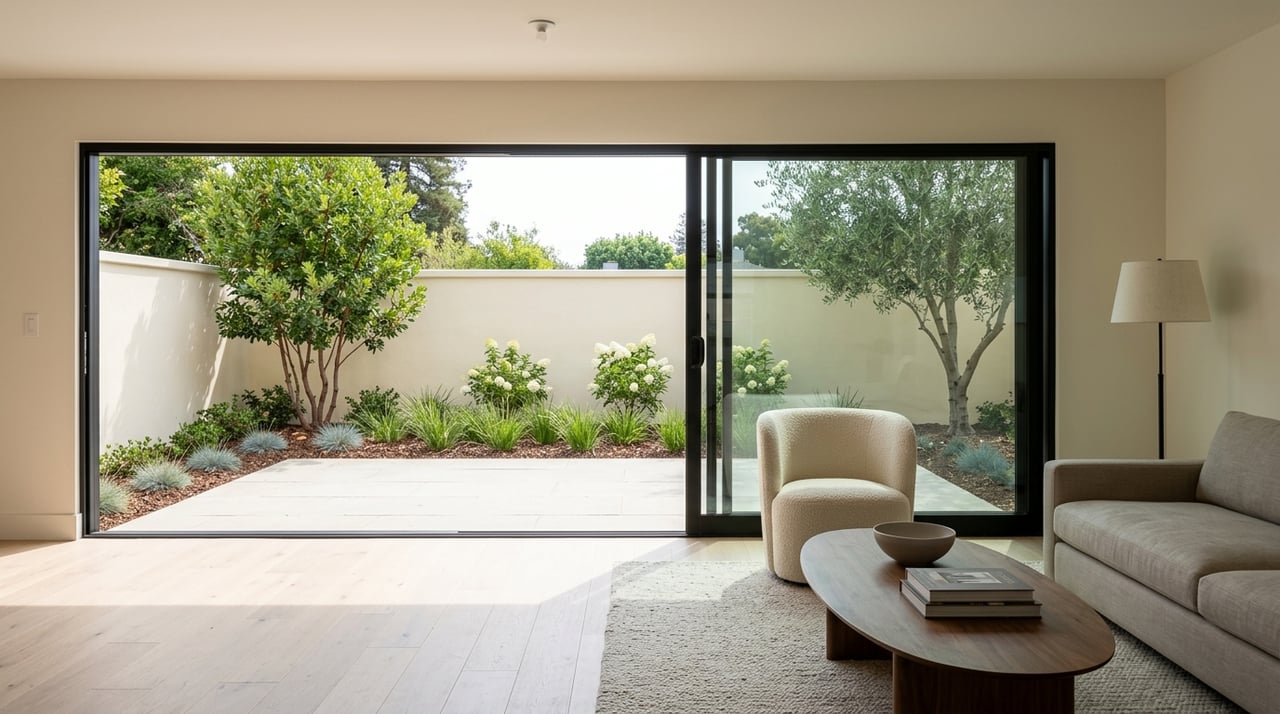
If you are thinking about selling your home in Pleasanton, you may be wondering whether this is still the kind of market where almost any listing sells fast. The short answer is yes, but only when the strategy is right. Today’s buyers are active, but they are also more selective, which means your pricing, preparation, and launch plan matter more than ever. Let’s dive in.
What today’s Pleasanton market looks like
Pleasanton is still moving quickly, but it is not a market where sellers can rely on momentum alone. According to Redfin’s Pleasanton housing market data, the median sale price was $1,445,000 in March 2026, homes averaged 4 offers, and median days on market were 15.
That same report shows that 54.3% of homes sold above list price, while 26.8% had price drops. In other words, well-positioned homes can still attract strong interest, but buyers are not automatically chasing every listing. If your home enters the market at the wrong price or without strong presentation, you may lose valuable early momentum.
The broader market tells a similar story. Zillow’s San Francisco-Oakland-Hayward market page shows a median sale-to-list ratio of 1.005 and 15 median days to pending as of March 31, 2026. That points to a Bay Area market that still rewards good strategy, but not one that erases pricing mistakes.
Why strategy matters more now
In a market like this, your first week matters a lot. Buyers are watching closely, and the strongest interest often shows up right after launch. If your home is priced well and presented clearly from day one, you are more likely to create the kind of competition that leads to stronger terms.
Local reporting supports this more balanced environment. A Pleasanton Weekly real estate update noted that buyers are being more thoughtful and sellers are pricing more realistically in 2026. That is why today’s seller strategy is less about stretching the market and more about meeting it with a smart, confident plan.
Price for attention, not just aspiration
One of the biggest mistakes sellers make is pricing from memory instead of current market evidence. You may remember a neighbor’s peak-market sale or hear a number that sounds exciting, but buyers are looking at what is happening now, not what happened in a different season.
Pleasanton’s recent numbers show why discipline matters. Redfin reports a 100.7% sale-to-list ratio, which means strong pricing can still lead to over-list outcomes. At the same time, the city’s 26.8% rate of price drops is a reminder that overpricing can quickly push a listing into a weaker position.
A strong pricing strategy usually does three things:
- Starts with current Pleasanton comparable sales
- Accounts for your home’s condition, updates, and presentation
- Aims to attract attention quickly instead of testing the market too high
The goal is not to leave money on the table. The goal is to create the best possible response from serious buyers while your listing is fresh.
Timing the sale starts before listing day
Many sellers ask whether they should wait for spring. Nationally, Zillow’s research on the best time to list says the last two weeks of May have been a strong window, with homes selling for 1.7% more in 2025 on a typical U.S. home. But that same research also says timing is hyper-local, and Bay Area markets can peak earlier than national trends suggest.
For Pleasanton sellers, the more useful question is often not which month is best, but when should I start preparing. Zillow’s home sale timeline guidance says most sellers think about moving for three to four months before they list, and closing still often takes about 30 to 45 days after an offer is accepted.
That means if you want to hit a strong market window, you usually need to start earlier than you think. Paint, repairs, decluttering, disclosures, cleaning, staging, and photography all take time. If those pieces are not ready, it is easy to miss the moment you were aiming for.
A practical prep calendar
If your timing is flexible, it helps to work backward from your ideal list date:
- 8 to 12 weeks out: review pricing strategy, identify repairs, begin decluttering
- 4 to 8 weeks out: complete paint and minor updates, gather disclosures, plan staging
- 2 to 3 weeks out: deep clean, finish staging, schedule photography and video
- Launch week: go live with polished marketing and a clear showing plan
Zillow also notes that Thursday listings tend to go pending faster than Sunday or other weekend launches. That does not mean Thursday is always best, but it is one more detail worth considering when your overall plan is ready.
Focus on prep buyers can see
You do not always need a major remodel to sell well in Pleasanton. In fact, the evidence points more toward targeted improvements and strong presentation than expensive, open-ended renovation projects.
According to the 2025 NAR Remodeling Impact Report, commonly recommended pre-sale improvements include painting the entire home, painting a single room, and new roofing. The same report found that a new steel door had the highest cost recovery in the study at 100%, which is a helpful reminder that first impressions and entry appeal matter.
If you only have room in the budget for a few upgrades, the report also points to kitchen upgrades, bathroom renovations, and roofing as categories where REALTORS have seen more demand in recent years. For many sellers, though, the best return comes from lower-risk steps like fresh paint, minor repairs, updated hardware, better lighting, and improved curb appeal.
What to prioritize before listing
For many Pleasanton homeowners, especially move-up sellers and downsizers, these steps often make the biggest difference:
- Declutter closets, counters, and storage areas
- Complete deferred minor repairs
- Refresh paint where needed
- Deep clean every room
- Improve front entry and curb appeal
- Create a simple, neutral staging plan
These are the kinds of updates buyers notice right away, both online and in person.
Staging still plays a real role
Staging is not about making your home look trendy. It is about helping buyers understand the space and picture how it lives. That can be especially important when buyers are comparing several homes quickly.
The 2025 NAR Profile of Home Staging found that 83% of buyers’ agents said staging makes it easier for buyers to visualize a property as a future home. The most commonly staged rooms were the living room, primary bedroom, and dining room.
The same report found that the median spend was $1,500 when using a staging service and $500 when the seller’s agent personally staged the home. It also found that 19% of sellers’ agents said staging increased buyer offers by 1% to 5%. That does not mean every home needs full-service staging, but it does show why thoughtful presentation can matter.
Launch materials matter too
Your marketing package should do more than just announce that your home is for sale. Buyers usually see your listing online first, so the visuals need to work hard before anyone books a showing.
Zillow identifies poor marketing as a common selling mistake and recommends strong photos, 3D tours, and interactive floor plans as part of a better launch. NAR’s staging research also found that buyers’ agents place high importance on photos, videos, and virtual tours. In a fast-moving market, polished marketing is part of pricing strategy because it shapes how buyers respond in those first crucial days.
Do not overlook disclosures
In California, seller disclosures are a major part of the process, and it is smart to gather them early. The California Department of Real Estate disclosure guide identifies the Real Estate Transfer Disclosure Statement as the standard condition disclosure, and the Natural Hazard Disclosure Statement covers mapped flood, fire, earthquake fault, and seismic hazard zones.
The guide also notes that a third-party consultant may be used for the natural hazard disclosure, but the seller is still responsible for delivering it to the buyer. Starting this paperwork early can reduce stress later and help your sale move more smoothly once you are under contract.
A smart Pleasanton seller strategy
If you are selling in Pleasanton today, the strongest plan is usually not the flashiest one. It is a strategy built around realistic pricing, focused preparation, clean presentation, and a well-timed launch.
That means you do not necessarily need a full remodel or an endless prep phase. You need to understand the current market, choose updates carefully, prepare disclosures early, and bring your home to market in a way that helps buyers respond with confidence.
In a market where some homes still get multiple offers and others need price cuts, the difference often comes down to execution. If you want a calm, personalized plan for your next move in Pleasanton, Meenakshi Rathore can help you map out the right pricing, prep, and launch strategy for your goals.
FAQs
Should I wait until spring to sell my Pleasanton home?
- Not always. National data points to late spring as a strong window, but Bay Area timing can differ, so your prep timeline and current local comps matter more than the calendar alone.
Is staging worth it for a Pleasanton home sale?
- Often, yes. NAR found that staging helps buyers visualize the home, especially in the living room, primary bedroom, and dining room, and some agents reported stronger offers when homes were staged.
Do I need to remodel before selling a home in Pleasanton?
- Usually not. The research supports starting with cosmetic updates, minor repairs, paint, cleaning, and curb appeal before taking on major renovation projects.
How do I avoid overpricing my Pleasanton home?
- Base your list price on current Pleasanton comparable sales, your home’s condition, and recent sale-to-list trends rather than older peak-market numbers or neighborhood anecdotes.
What disclosures do California home sellers need to prepare?
- California sellers commonly need the Real Estate Transfer Disclosure Statement and the Natural Hazard Disclosure Statement, and it is wise to start gathering those documents early.
How long does it take to sell a home in Pleasanton?
- Market time varies, but recent Pleasanton data showed 15 median days on market in March 2026, and closing often still takes about 30 to 45 days after offer acceptance.