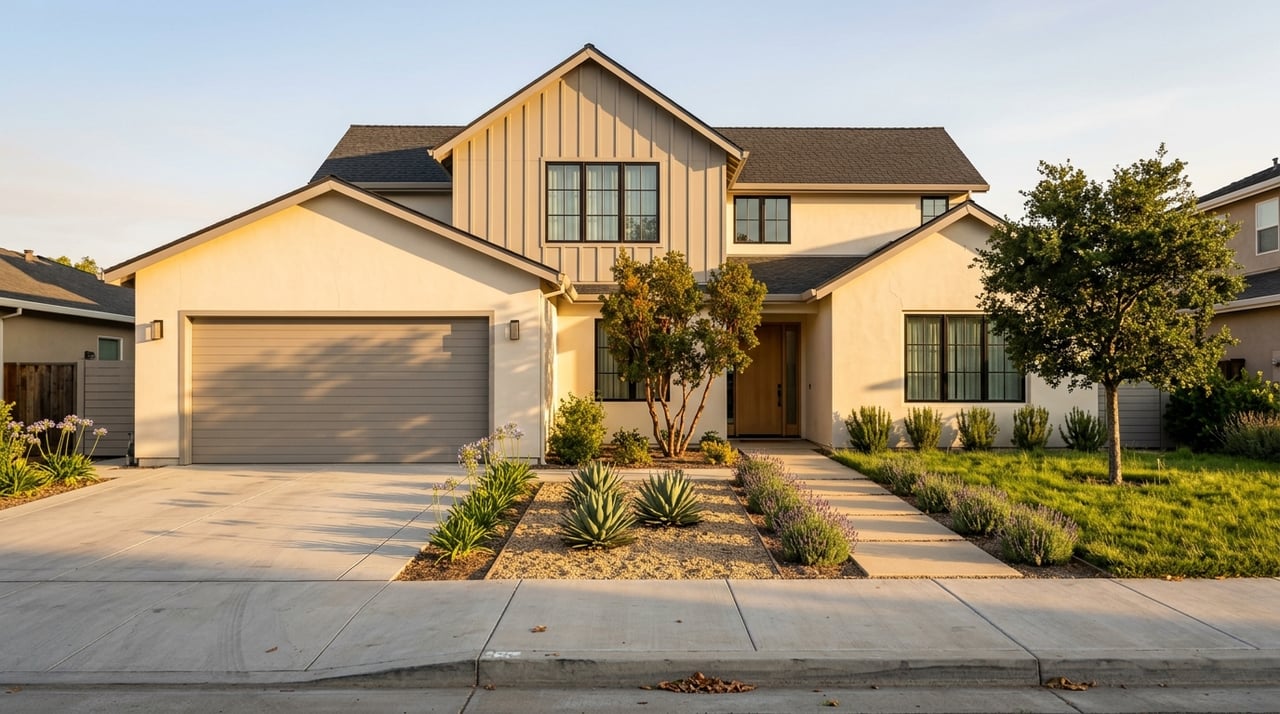
Buying your first home in San Ramon can feel exciting and intense at the same time. You may be trying to balance budget, timing, paperwork, and a fast-moving market, all while making one of the biggest financial decisions of your life. The good news is that the process becomes much more manageable when you break it into clear steps. This guide walks you through what to expect in San Ramon, what to prepare before you tour homes, and how to move forward with confidence. Let’s dive in.
Understand the San Ramon market
If you are buying your first home in San Ramon, it helps to know that not every property type moves at the same pace. Bay East’s March 2026 data showed detached homes with 58 active listings, 31 sales, 2.7 months of inventory, a median sale price of $1.68 million, and an average of 14 days on market. Buyers paid about 101% of list price on average for detached homes.
Attached homes told a different story. Condos and townhomes had 55 active listings, 14 sales, 4.5 months of inventory, a median sale price of $708,500, and 32 days on market. Buyers paid about 98% of list price on average, which suggests a little more room to negotiate in that segment.
That speed gap matters. If you are targeting a single-family home, you may need to make decisions in days, not weeks. If you are looking at a condo or townhome, you may have a bit more time to compare options and review documents carefully.
Build your budget first
Before you start touring homes, set a monthly payment target that feels sustainable for your life. The California Department of Real Estate says buyers should plan for about 5% to 20% down, plus another 3% to 7% of the purchase price for closing costs. That means your cash needs are usually higher than just the down payment.
You also need to think beyond the mortgage. Ongoing ownership costs can include property taxes, homeowners insurance, HOA dues, and repairs. Building these into your budget early helps you shop with clarity instead of stretching after you fall in love with a home.
In Contra Costa County, property tax is based on the assessed value multiplied by the tax rate. The countywide base is 1%, and voter-approved bonds and special assessments may also apply. Annual secured tax bills are mailed by November 1 and paid in two installments, and a supplemental tax bill may arrive after a change in ownership.
A practical first-time buyer budget usually includes:
- Your target monthly housing payment
- Your down payment funds
- Estimated closing costs
- Moving expenses
- A reserve for repairs or maintenance
- Any HOA dues, if applicable
- A cushion for property taxes and insurance
Check if first-time buyer help applies
Some buyers in San Ramon may qualify for California first-time buyer programs. CalHFA defines a first-time homebuyer as someone who has not owned and occupied a home in the last three years. That definition matters because some buyers assume they do not qualify when they actually might.
CalHFA programs are offered through approved lenders and can include deferred-payment assistance through MyHome. If you use CalHFA financing as a first-time buyer, homebuyer education is required. If you think assistance programs may help you, it is smart to ask about them early so they can be built into your financing plan from the start.
Get pre-approved before touring
In a market like San Ramon, pre-approval is not something to save for later. It is one of the first real steps you should take. If the right home appears, especially in the detached-home market, being fully pre-approved puts you in a much stronger position to act quickly.
CalHFA notes that borrowers may need documents such as pay stubs, bank statements, employment history, and tax returns. Getting these ready in advance can save valuable time once you begin touring homes. It also gives you a more realistic price range based on your actual loan options, not just an online calculator.
This is also the time to keep your finances steady. Avoid taking on new debt or making large purchases before you buy. A new car payment, a major credit card balance, or other financial changes can affect your loan profile at exactly the wrong time.
Narrow your home search
Once your financing is taking shape, define what you truly need in a home. The California Department of Real Estate recommends deciding in advance on features such as location, lot size, proximity to work and services, and whether HOA dues, special taxes, or assessments will affect your monthly costs.
This step matters because San Ramon offers different paths for first-time buyers. A detached home may offer more space, but it often comes with a higher price point and faster competition. A condo or townhome may offer a more accessible entry point, along with HOA rules and dues that should be reviewed carefully.
Try separating your list into three categories:
- Must-haves
- Nice-to-haves
- Deal-breakers
That simple filter can make your decision-making much faster when inventory is limited or a strong listing hits the market.
Tour homes with a decision plan
Touring is the fun part, but it should also be strategic. In a fast market, it helps to know in advance how quickly you are willing to act if a home checks your boxes. This is especially true for detached homes in San Ramon, where average days on market were just 14 in the March 2026 Bay East report.
As you walk through homes, stay focused on the features you cannot easily change. Layout, location, natural light, lot use, and overall condition usually matter more than cosmetic details. Paint colors and finishes can change, but a poor floor plan or ongoing maintenance issues are different.
Take notes after each showing. After a few tours, details can blend together, and having written observations can help you compare homes more clearly.
Make an offer carefully
When you are ready to make an offer, slow down enough to read every part of it. The California Department of Real Estate advises buyers to read the offer carefully, avoid blank forms, and include inspection contingencies if they want the right to negotiate repairs or walk away.
In a competitive setting, it can be tempting to focus only on price. But offer terms matter too. Timing, contingencies, and the strength of your financing can all shape how your offer is received.
Your offer should reflect both the market and your comfort level. In San Ramon, detached homes have recently sold above list price on average, while attached homes have sold below list price on average. That does not predict what any one property will do, but it does show why strategy should match the type of home you are pursuing.
Inspect quickly and thoroughly
Once your offer is accepted, move quickly on inspections. The California Department of Real Estate says home and pest inspections are a normal part of evaluating a property, and inspections can support repair negotiations. Scheduling them early also gives you time to review findings and decide on next steps before deadlines arrive.
During the inspection period, pay close attention to core systems and conditions that can affect both safety and cost. In Bay Area homes, that often includes the roof, foundation, drainage, HVAC, plumbing, electrical systems, and any signs of deferred maintenance. Even a well-presented home can have issues that deserve a closer look.
If the property is in an HOA community, this review period should also include HOA documents. Before removing contingencies, review the CC&Rs, budget, reserve information, and other HOA-related disclosures so you understand both the rules and the financial health of the association.
Review disclosures with care
California buyers are entitled to an important set of disclosures, and this step deserves real attention. Depending on the property, your disclosure package can include the Transfer Disclosure Statement, Agency Relationship Disclosure, Preliminary Title Report, financing disclosures, and in some cases a public report for new subdivisions.
The California Department of Real Estate also notes that the seller’s agent must perform a visual inspection and disclose readily observable defects. That does not replace your own inspections, but it is an important part of the information you receive before moving forward.
This is the stage where many first-time buyers feel overloaded. That is normal. The key is to review documents carefully, ask questions, and make sure you understand the condition of the property, the title information, and any ongoing obligations tied to the home.
Check natural hazard and tax details
In San Ramon, natural hazard review is an important part of due diligence. California Natural Hazards Disclosure rules apply when a home is in mapped hazard areas, including seismic hazard zones, earthquake fault zones, and fire hazard severity zones. CAL FIRE classifies fire severity into moderate, high, and very high categories.
These disclosures do not automatically mean a home is a poor choice. They do mean you should understand how the property is classified and what that may mean for insurance, maintenance, or future planning. This is part of buying with open eyes.
You should also plan ahead for property taxes after closing. Contra Costa County states that annual secured tax bills are mailed by November 1, and supplemental tax bills may be issued after ownership changes. That means your first year of ownership can include an additional tax bill after escrow closes, so it is wise to budget for that possibility.
Close escrow with fewer surprises
Escrow usually begins once buyer and seller agree on the terms of the sale. A neutral third party holds documents and funds until the transaction is complete. While this phase can feel paperwork-heavy, it is really about confirming that the details of the sale, the financing, and the title are all lining up correctly.
For financed purchases, timing matters here too. The Loan Estimate is due within three business days of application, and the Closing Disclosure must arrive at least three business days before closing. Reviewing these documents carefully helps you confirm your loan terms and final costs before signing.
The final stretch is about more than signatures. It is a coordinated review of title, loan terms, hazard status, HOA obligations if any, and tax timing. When each piece is understood clearly, closing feels much less overwhelming.
A simple first-home checklist
If you want a quick way to stay organized, use this checklist as you move through the process:
- Set a monthly payment target
- Estimate down payment and closing costs
- Budget for taxes, insurance, HOA dues, and repairs
- Ask whether CalHFA or other first-time buyer help may apply
- Gather financial documents and get pre-approved
- Define your must-haves and deal-breakers
- Tour homes with a clear decision plan
- Read your offer carefully before signing
- Schedule inspections right away
- Review disclosures, title, hazard reports, and HOA documents
- Watch for supplemental property tax timing after closing
- Review your loan terms again before final signing
Buying your first home in San Ramon is a big step, but it does not have to feel chaotic. With the right plan, clear expectations, and steady guidance, you can move through the process with more confidence and fewer surprises. If you are thinking about buying in San Ramon and want patient, local guidance tailored to your goals, Meenakshi Rathore is here to help.
FAQs
How much money should first-time buyers budget for a San Ramon home purchase?
- The California Department of Real Estate says buyers should generally plan for 5% to 20% down plus about 3% to 7% of the purchase price for closing costs, along with ongoing costs like property taxes, insurance, HOA dues, and repairs.
How fast do homes sell in San Ramon for first-time buyers?
- Bay East March 2026 data showed detached homes averaging 14 days on market, while attached homes averaged 32 days, so single-family homes typically require faster decisions.
What counts as a first-time homebuyer in California programs?
- CalHFA defines a first-time homebuyer as someone who has not owned and occupied a home in the last three years.
What should San Ramon buyers inspect before removing contingencies?
- Buyers should review the home’s condition carefully, including the roof, foundation, drainage, HVAC, plumbing, electrical, and signs of deferred maintenance, and also review HOA documents if the property is in a common-interest development.
What disclosures should first-time buyers expect in a California home sale?
- Depending on the property, buyers may receive documents such as the Transfer Disclosure Statement, Agency Relationship Disclosure, Preliminary Title Report, financing disclosures, and in some cases a public report for new subdivisions.
Why might a new San Ramon homeowner receive a supplemental tax bill?
- Contra Costa County may issue a supplemental property tax bill after a change in ownership, so buyers should be prepared for that possibility during their first year of ownership.