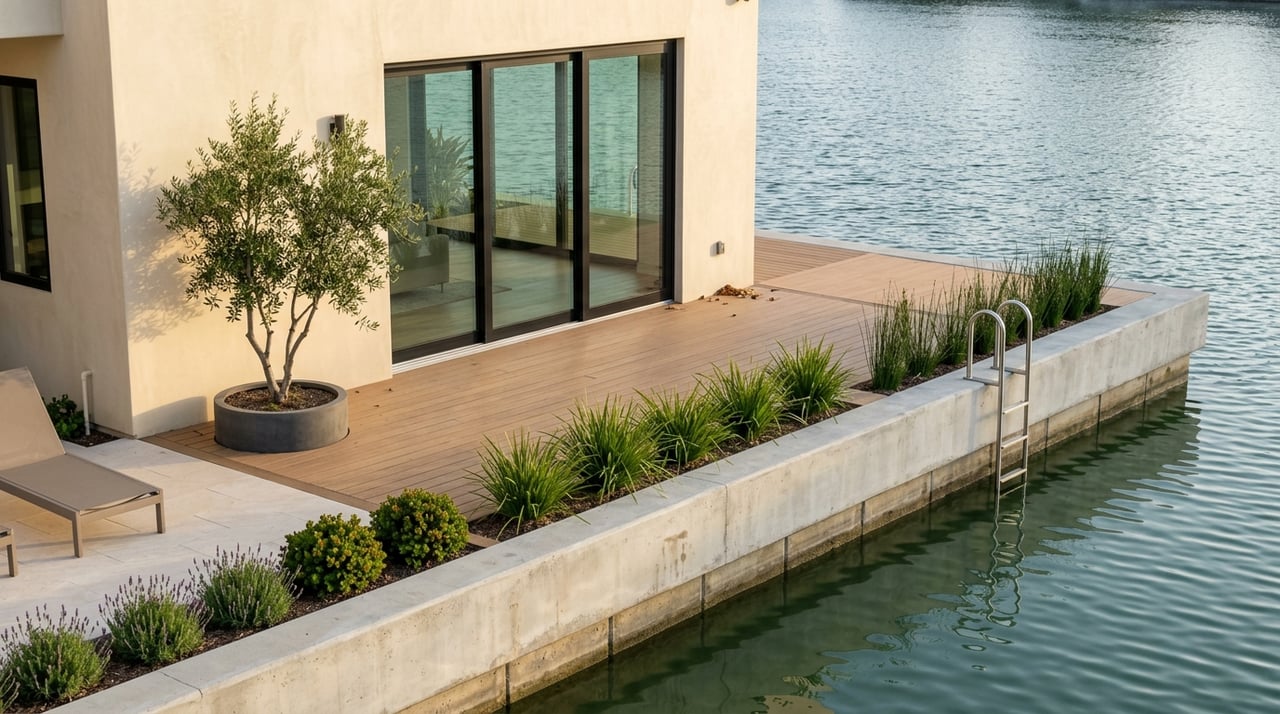
If you picture waterfront living as a remote beach town, Foster City may surprise you. Here, the water is woven into everyday life through lagoons, parks, trails, and neighborhoods that sit close to commute routes across the Peninsula. If you are trying to understand what it really feels like to live near the water in Foster City, this guide will help you see the lifestyle, housing choices, and practical details that shape the experience. Let’s dive in.
Waterfront living in Foster City
Foster City is a planned community built with water at its core. City and historical sources describe the lagoon as both a defining lifestyle feature and part of the city’s stormwater system, which means the waterfront here is designed, maintained, and integrated into how the city functions.
That gives Foster City a different feel from a natural tidal shoreline. The lagoon system covers more than 200 acres, runs about five miles through the city, and connects with the Bay Trail at the edge of town. The result is a calm, lived-in water setting that feels close to home rather than far removed from daily routines.
The water level is also actively managed through the year. The city raises the lagoon to summer levels in mid-March and lowers it in mid-November in preparation for winter storms, which reinforces that this is a maintained residential waterfront environment.
What the waterfront lifestyle feels like
In Foster City, the water often feels less like a backdrop and more like part of your routine. You may pass a lagoon on a neighborhood walk, head to a nearby park after work, or spend a weekend morning kayaking or paddleboarding instead of driving out of town for recreation.
The city promotes walking, biking, skating, sailing, kayaking, paddleboarding, and other low-impact water activities as part of daily life. Because powerboats are prohibited, the lagoon keeps a quieter character that fits the community’s residential feel.
That quiet matters. Instead of loud boat traffic, the waterfront experience here leans toward peaceful movement, open views, and easy access to parks and paths. For many buyers, that is the real appeal of Foster City waterfront living.
Housing options near the water
One of the biggest misconceptions about waterfront living is that it only means single-family homes on premium lots. In Foster City, the housing mix includes single-family homes, duplexes, townhomes, apartments, and condos, and the city was intentionally planned with both waterfront and non-waterfront homes.
That creates more variety than many buyers expect. Depending on your goals, waterfront living here could mean a detached home with lagoon frontage, a townhome near the water, or a condo that gives you access to the same broader lifestyle of trails, parks, and water views.
This range can be especially helpful if you want the feel of a waterfront community without limiting yourself to one property type. It also means buyers at different stages, from first-time buyers to downsizers, may find options that fit their lifestyle.
How Foster City’s micro-areas differ
Foster City does not read as one single waterfront district. The city was planned as nine residential neighborhoods, and official community descriptions point to a mix of neighborhoods, shopping centers, and HOA-based micro-communities, which makes the city feel more like several distinct pockets.
A practical way to think about the area is in three broad patterns. Central lagoon neighborhoods often deliver the classic Foster City waterfront look, east-side established streets tend to feel more traditionally suburban with smaller lots, and west or bay-edge areas often feel more connected to trails and commute access.
Older neighborhoods east of Foster City Boulevard generally have smaller lots and more consistent home styles. Some newer neighborhoods include larger lots and larger homes, so even within the city, the feel can shift quite a bit from one area to another.
Parks and water access
A major part of waterfront living in Foster City is how easy it is to actually use the outdoors. The city says it has more than 160 acres of parks and open space along with more than 200 acres of waterways, so access to recreation is built into the layout.
Several parks stand out for waterfront living. Leo J. Ryan Park offers lagoon access, a gazebo, and rentals for kayaks, pedal boats, windsurfing equipment, and stand-up paddleboards. Boat Park serves as a launch facility with a boardwalk, picnic tables, and lawn, while Erckenbrack Park offers a sandy beach and Catamaran Park adds lagoon-side walking with downtown views.
The city also notes that small boats may be launched from any location on the lagoon, with formal ramps at Boat Park and Leo Ryan Park. That flexibility helps make the water feel accessible rather than reserved for a small group of owners.
Trails add a second waterfront layer
The lagoon is only part of the picture. The Levee Pedway and Bay Trail bring a different kind of waterfront experience, one that feels more open and connected to the bay edge.
According to the city, Foster City’s trail segment begins near Marina Lagoon, follows Belmont Slough, and continues around the bay edge toward San Mateo. The path is accessible from neighborhood streets and smooth enough for strollers and skates, which makes it practical for everyday use, not just occasional outings.
For buyers who value walking, running, biking, or simply having open-air space nearby, this trail system can be just as important as direct lagoon frontage. In many cases, living near the bay-edge paths gives you a strong waterfront lifestyle even if your home is not directly on the lagoon.
What to know about boating and swimming
Foster City’s waterfront is designed for managed recreation. That means the experience is active and enjoyable, but it is also shaped by city rules and water quality oversight.
Powerboats are not allowed on the lagoon. Boats must be sail-powered, electric battery-powered, or person-powered, which helps preserve the calm, residential atmosphere on the water.
If you are wondering about swimming or beach use, it is best to think of the waterfront as a managed recreation setting rather than open-ocean swimming. The city and county monitor lagoon water quality and post notices when needed, and the city has documented advisories at some lagoon beaches in the past.
Flood and insurance context
Waterfront buyers often ask about flood risk right away, and in Foster City that question has a specific local answer. The city says its levee is FEMA-certified for the 1-percent annual chance flood, and land within city limits is designated Zone X, where mandatory flood insurance is not required.
That does not mean buyers should skip careful property-level due diligence, but it does provide important context for how the city manages its waterfront environment. Foster City’s water setting is supported by infrastructure and ongoing management, not simply left to natural conditions.
For many buyers, that planning is part of what makes the city feel both distinctive and practical. You get the visual and lifestyle appeal of water while still living in a community built around long-term residential use.
Commute and daily convenience
A big part of Foster City’s appeal is that it is not isolated. The city sits between San Francisco and San Jose, east of US-101 and divided by SR-92, which makes it well positioned for Peninsula commuting.
At the same time, the city notes that the 92 and 101 connection experiences regional traffic issues during peak commute hours. So while the location is convenient, your day-to-day experience will still depend on your schedule, route, and tolerance for traffic.
Transit adds options. SamTrans operates the FCX weekday express service between Foster City and downtown San Francisco, Route 251 connects Foster City with San Mateo and Redwood City, and the city also lists a free North Foster City Shuttle between the Millbrae Intermodal BART and Caltrain Station and North Foster City businesses during commute hours.
Caltrain stations in the corridor include Millbrae, Burlingame, San Mateo, Hayward Park, Hillsdale, Belmont, San Carlos, and Redwood City. Taken together, these connections support the idea that Foster City works well for people who want a quieter, water-oriented home base while staying tied into the larger Bay Area.
Who waterfront living may suit best
Foster City waterfront living can make sense for several kinds of buyers. If you want a calmer home setting with easy access to outdoor recreation, the lagoon and bay-edge trails can offer a daily quality-of-life upgrade.
It may also appeal to buyers who want flexibility in housing type. Since waterfront-oriented living here is not limited to detached homes, you may be able to find a condo or townhome that still gives you access to the broader benefits of the setting.
For sellers, this lifestyle story matters too. A home in Foster City is often about more than square footage alone. Buyers are also evaluating proximity to water, trail access, recreation, and commute convenience, so understanding how your specific location fits into that picture can help shape smart pricing and marketing.
What to keep in mind as you search
The best waterfront fit depends on what waterfront living means to you. Some buyers want direct lagoon frontage and water views, while others care more about being near parks, boat access, or the Bay Trail.
It also helps to compare the city by micro-area rather than treating all of Foster City the same. A central lagoon location, an older east-side neighborhood, and a bay-edge area may each deliver a different day-to-day experience.
When you look at homes, pay attention to the full lifestyle equation:
- Property type and maintenance needs
- Distance to lagoon, park, or trail access
- Commute route and peak-hour traffic patterns
- HOA structure, if applicable
- Outdoor spaces and how they connect to the setting
- The difference between direct waterfront and nearby waterfront access
That kind of practical comparison usually leads to better decisions than focusing on the word waterfront alone.
If you are considering buying or selling in Foster City, having a local strategy matters. The right guidance can help you evaluate not just the home, but how the location, lifestyle, and long-term fit come together for you. When you are ready to talk through your options, connect with Meenakshi Rathore for thoughtful, personalized guidance.
FAQs
What does waterfront living in Foster City actually mean?
- In Foster City, waterfront living usually means living near or on the city’s managed lagoon system or near the bay-edge trail network, with easy access to parks, paths, and low-impact water recreation.
Are all waterfront homes in Foster City single-family houses?
- No. City planning documents show that Foster City includes single-family homes, duplexes, townhomes, apartments, and condos, and waterfront-oriented living is not limited to detached houses.
Can you boat on the Foster City lagoon?
- Yes. The city allows sail-powered, electric battery-powered, and person-powered boats on the lagoon, but powerboats are prohibited.
Is swimming in Foster City lagoon areas allowed?
- Waterfront recreation exists in Foster City, but it is best understood as managed recreation. The city and county monitor water quality and post notices when needed.
Do Foster City waterfront homes require flood insurance?
- The city says land within Foster City is in Zone X, where mandatory flood insurance is not required, and that the levee is FEMA-certified for the 1-percent annual chance flood.
Is Foster City a good fit for Bay Area commuters?
- Foster City is positioned for Peninsula commuting, with access to US-101, SR-92, SamTrans services, shuttle options, and nearby Caltrain stations, though peak-hour traffic around the 92 and 101 connection can be a factor.